

Introduction
Finding the Best Ropa Vieja Venezolana Near Me can be a rewarding way to explore Venezuelan cuisine, especially if you enjoy slow-cooked meats, bold seasoning, and comforting homemade flavors. Ropa vieja is known for its tender, shredded beef, but Venezuelan versions can vary by restaurant, region, and cooking style. The dish is often served with rice, beans, plantains, or other traditional sides that turn it into a complete meal.
If you are searching for Venezuelan food in the United States, knowing what to look for can help you choose a better plate. This guide explains what Venezuelan ropa vieja is, how it differs from similar Latin American dishes, what sides pair well with it, and what to consider before ordering. You will also learn how to recognize a well-prepared version when dining at a Venezuelan restaurant.
What is Best Ropa Vieja Venezolana Near Me?
The phrase Best Ropa Vieja Venezolana Near Me usually refers to a search for Venezuelan restaurants serving ropa vieja, a shredded beef dish prepared with slow-cooked meat and a flavorful sauce. The beef is generally cooked until tender enough to separate into strands. Depending on the restaurant, the seasoning may include onions, peppers, garlic, tomatoes, herbs, and other spices.
Venezuelan cuisine has strong regional influences, so preparation is not identical everywhere. A restaurant may use a particular cut of beef, cooking method, or seasoning blend that reflects its own kitchen traditions. The finished meat should generally be moist and flavorful rather than dry or overly greasy. The sauce should complement the beef without hiding its natural savory taste.
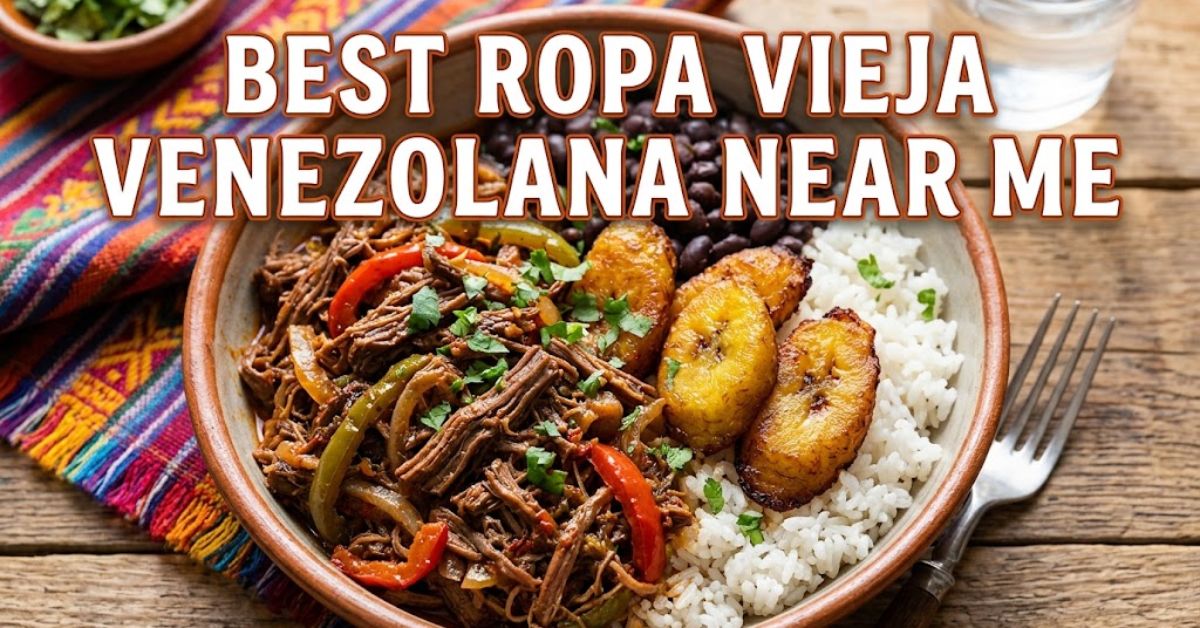
When searching for the best Venezuelan ropa vieja, consider the complete plate rather than the meat alone. Traditional Venezuelan meals often combine contrasting textures and flavors. Sweet plantains can balance savory beef, while rice provides a neutral base. Black beans or other beans add creaminess and make the meal more filling. These combinations are especially useful when you want a traditional-style Venezuelan dining experience.
Why Is Ropa Vieja Popular in Venezuelan Cuisine?
Ropa vieja is popular across several Latin American culinary traditions, but its preparation can differ from country to country. Venezuelan cooks have their own approaches to seasoning and serving shredded beef. The dish fits naturally into the broader Venezuelan tradition of hearty meals built around meat, grains, beans, vegetables, and plantains.
The name “ropa vieja” literally translates to “old clothes,” a reference to the appearance of the shredded meat. Despite the unusual name, the dish is generally associated with slow cooking and tender beef. Its popularity comes partly from its practicality: tougher cuts of meat can become tender and flavorful when cooked slowly with aromatics and sauce.
For U.S. diners, ropa vieja is also an accessible introduction to Venezuelan food. Someone familiar with shredded beef may recognize the texture, while the seasoning and traditional sides provide a distinctly Venezuelan character. However, the exact flavor profile can vary, so restaurant descriptions and customer reviews can be useful when deciding what to order.
What Should You Order With Venezuelan Ropa Vieja?
One of the easiest ways to make ropa vieja more satisfying is to choose complementary sides. White rice is a common choice because it absorbs the flavorful juices from the beef. Black beans can add a rich, creamy element, while sweet plantains introduce a caramelized flavor that contrasts with the savory meat.
You may also see other Venezuelan specialties on the menu. Arepas, empanadas, cachapas, tequeños, and pabellón-style plates are examples of foods associated with Venezuelan cuisine. However, if your goal is specifically to enjoy ropa vieja, avoid ordering too many heavy dishes at once. A balanced plate of shredded beef, rice, beans, and plantains is often enough for a substantial meal.
Portion size also matters when ordering at a Venezuelan restaurant. Some restaurants serve ropa vieja as a complete entrée, while others may offer it as part of a larger combination plate. If you are trying Venezuelan food for the first time, a combination that includes familiar sides can make it easier to experience several traditional flavors in one meal.
How to Find the Best Ropa Vieja Venezolana Near Me
When searching for the Best Ropa Vieja Venezolana Near Me, start by identifying restaurants that specifically describe their food as Venezuelan rather than simply Latin American. A broad Latin restaurant may serve shredded beef, but that does not necessarily mean the preparation follows Venezuelan traditions.
Next, look closely at the menu description. Useful details include the type of meat, cooking style, sauce, and included sides. Restaurant photographs can also help you understand portion size and presentation, although pictures should not be treated as proof of quality. Reviews can provide additional clues, particularly when several customers independently mention tender beef, flavorful seasoning, generous portions, or authentic Venezuelan sides.
Location is another practical factor. A restaurant farther away is not automatically better than a nearby option. For the freshest experience, consider restaurants with a strong reputation for Venezuelan dishes and consistent customer feedback. If you are ordering delivery, remember that shredded beef and fried plantains may change texture during transportation, so dine-in service can sometimes provide a better impression of the kitchen’s preparation.
What Makes Venezuelan Ropa Vieja Taste Authentic?
Authenticity is not determined by a single ingredient. Venezuelan ropa vieja can differ between households and restaurants, just as many traditional dishes have multiple legitimate variations. Still, a well-prepared plate should have tender shredded beef and a seasoning profile that works with the meat rather than overpowering it.
Aromatics such as onions, garlic, peppers, tomatoes, and herbs may contribute to the dish’s flavor. The meat should ideally remain moist after shredding. Excessive dryness can indicate that the beef was overcooked or held too long before serving. At the same time, the sauce should not be so watery that the dish loses its concentrated flavor.
Authenticity should also be considered in the context of the full meal. Venezuelan food is about combinations as much as individual ingredients. Ropa vieja served alongside rice, beans, and sweet plantains creates a different experience from shredded beef served by itself. For diners looking for traditional Venezuelan cuisine, that complete presentation can be an important part of the meal.
Ropa Vieja vs. Other Latin American Shredded Beef Dishes
Shredded beef appears in many Latin American cuisines, but similar-looking dishes are not necessarily interchangeable. Cuban ropa vieja is particularly well known and is often prepared with tomatoes, peppers, onions, and other seasonings. Venezuelan versions can share certain characteristics while reflecting Venezuela’s own culinary traditions.
Other countries also have shredded or stewed beef preparations with distinct names and techniques. The differences may involve the cut of beef, spices, vegetables, cooking liquid, or serving style. Therefore, seeing “shredded beef” on a menu does not automatically mean the dish is Venezuelan ropa vieja.
For U.S. diners, this distinction is useful when searching for the Best Ropa Vieja Venezolana Near Me. If Venezuelan flavor and presentation are important to you, look for a restaurant that identifies its cuisine clearly and offers other Venezuelan specialties. A broader menu can provide useful context about the restaurant’s culinary focus.
Tips for Ordering Venezuelan Ropa Vieja for the First Time
If this is your first time ordering ropa vieja, the safest choice is usually a traditional combination plate. Pair the shredded beef with white rice and beans, then add sweet plantains if available. This gives you a balanced mix of savory, creamy, and sweet flavors without making the order unnecessarily complicated.
Ask about spice levels if you are sensitive to heat. Venezuelan food is flavorful, but flavorful does not always mean extremely spicy. Individual restaurants may use peppers and seasonings differently. You can also ask whether the beef comes with sauce or gravy and whether the listed sides are included in the entrée price.
For takeout, consider ordering sauces separately when possible. This can help preserve the texture of rice and other sides during transportation. If you are dining with friends or family, sharing an appetizer such as tequeños or an empanada can also be a good way to explore Venezuelan cuisine before the main course arrives.
FAQs
What is Venezuelan ropa vieja?
Venezuelan ropa vieja is a shredded beef dish prepared by slowly cooking beef until tender and seasoning it with aromatic ingredients and sauce. It is commonly enjoyed with rice, beans, plantains, or other sides.
Where can I find the Best Ropa Vieja Venezolana Near Me?
Search for Venezuelan restaurants that specifically list ropa vieja on their menu. Compare recent customer feedback, menu descriptions, restaurant photos, and the availability of traditional Venezuelan side dishes.
Is Venezuelan ropa vieja spicy?
Usually, ropa vieja is flavorful rather than extremely spicy. The heat level depends on the restaurant’s recipe and the type of peppers or seasonings used, so asking the staff is the best way to confirm.
What sides go with Venezuelan ropa vieja?
Popular choices include white rice, black beans, and sweet plantains. These sides provide different textures and flavors that complement the savory shredded beef.
What is the difference between Venezuelan and Cuban ropa vieja?
Both cuisines have versions of shredded beef, but recipes and serving traditions can differ. Cuban ropa vieja is widely recognized, while Venezuelan preparations reflect Venezuela’s own ingredients, seasoning preferences, and meal combinations.
Conclusion
Finding the Best Ropa Vieja Venezolana Near Me is about more than choosing the closest restaurant. A good experience starts with tender, flavorful shredded beef and becomes even better when paired with traditional sides such as rice, beans, and sweet plantains. Because recipes vary between restaurants, it is worth checking the menu, customer feedback, portion information, and overall focus on Venezuelan cuisine before ordering.
For first-time diners, a classic combination plate is a practical starting point. It allows you to experience ropa vieja alongside familiar Venezuelan accompaniments without making the meal complicated. Whether you dine in or order takeout, understanding the dish and its traditional context can help you make a more confident choice and enjoy a richer Venezuelan food experience.
